The Importance of Regular Exercise
Regular exercise is a cornerstone of overall health and well-being. It’s not just about physical appearance; it's about improving your quality of life, boosting your energy levels, and reducing your risk of chronic diseases. Incorporating exercise into your daily routine can have profound effects on your physical, mental, and emotional health.
At Vitality Hub, we believe that everyone can find an exercise routine that fits their lifestyle and preferences. This page will guide you through the different types of exercises, the numerous benefits of regular physical activity, and how to create a personalized workout routine that works for you. Let's embark on this journey to a healthier and more vibrant you!
Types of Exercises
There are various types of exercises, each offering unique benefits. Understanding these differences can help you create a well-rounded fitness plan.
- Cardiovascular Exercises (Aerobic): These activities increase your heart rate and improve your cardiovascular health. Examples include running, swimming, cycling, dancing, and brisk walking.
- Strength Training: This type of exercise involves using resistance to build muscle strength and endurance. It includes lifting weights, using resistance bands, and performing bodyweight exercises like push-ups and squats.
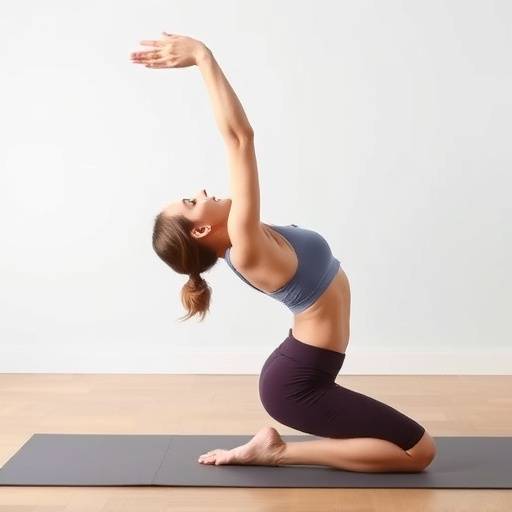
- Flexibility Exercises: Stretching and flexibility exercises improve your range of motion and reduce your risk of injuries. Yoga, Pilates, and static stretching are great options.
- Balance Exercises: These exercises help improve your stability and coordination. Tai Chi and simple balance poses can be beneficial, especially as you age.
Cardiovascular Exercise
Cardio is king when it comes to burning calories and improving heart health. Try to incorporate at least 150 minutes of moderate-intensity or 75 minutes of vigorous-intensity aerobic exercise each week.

Strength Training
Strength training not only builds muscle but also boosts your metabolism and strengthens your bones. Aim for at least two strength training sessions per week, targeting all major muscle groups.

Flexibility and Balance
Don't underestimate the importance of flexibility and balance. These exercises can improve your posture, prevent injuries, and enhance your overall well-being.
Benefits of Exercise
The benefits of regular exercise extend far beyond physical fitness. Here are some key advantages:
- Improved Cardiovascular Health: Reduces the risk of heart disease, stroke, and high blood pressure.
- Weight Management: Helps maintain a healthy weight and reduces body fat.
- Stronger Bones and Muscles: Increases bone density and muscle mass, preventing osteoporosis and age-related muscle loss.
- Improved Mental Health: Reduces stress, anxiety, and symptoms of depression. Exercise releases endorphins, which have mood-boosting effects.
- Increased Energy Levels: Regular physical activity can combat fatigue and increase your overall energy levels.
- Better Sleep: Exercise can improve the quality and duration of your sleep.
- Reduced Risk of Chronic Diseases: Lowers the risk of type 2 diabetes, certain types of cancer, and other chronic conditions.
- Enhanced Cognitive Function: Improves memory, focus, and cognitive performance.
Creating a Workout Routine
Creating a workout routine that suits your needs and preferences is essential for long-term success. Here are some tips to help you get started:
- Set Realistic Goals: Start with small, achievable goals. Aim for 30 minutes of exercise most days of the week.
- Choose Activities You Enjoy: Select activities that you find enjoyable. This will make it easier to stick to your routine.
- Warm-Up: Begin each workout with a 5-10 minute warm-up to prepare your muscles for activity.
- Cool-Down: End each workout with a 5-10 minute cool-down to gradually lower your heart rate and prevent muscle soreness.
- Listen to Your Body: Pay attention to your body and rest when you need to. Avoid pushing yourself too hard, especially when you're first starting out.
- Stay Hydrated: Drink plenty of water before, during, and after your workouts.
- Track Your Progress: Keep a record of your workouts to monitor your progress and stay motivated.
- Be Consistent: Aim to exercise regularly, even if it's just for a short period of time. Consistency is key to seeing results.
- Consult a Professional: If you have any health concerns or are new to exercise, consult with a healthcare provider or certified fitness professional for guidance.
Sample Workout Routine
Here's a sample workout routine that you can adapt to your fitness level and preferences:
| Day | Activity | Duration |
|---|---|---|
| Monday | Brisk Walking | 30 minutes |
| Tuesday | Strength Training (Upper Body) | 45 minutes |
| Wednesday | Yoga | 45 minutes |
| Thursday | Cycling | 30 minutes |
| Friday | Strength Training (Lower Body) | 45 minutes |
| Saturday | Swimming | 60 minutes |
| Sunday | Rest or Active Recovery (light stretching) | 30 minutes |
Remember to adjust this routine to fit your fitness level and personal preferences. The most important thing is to stay active and enjoy the process!
Staying Motivated
Maintaining motivation can be challenging, but there are several strategies you can use to stay on track:
- Find a Workout Buddy: Exercising with a friend or family member can make it more enjoyable and help you stay accountable.
- Join a Fitness Class: Group fitness classes can provide motivation and support from instructors and fellow participants.
- Set Short-Term Rewards: Reward yourself for reaching milestones, such as completing a week of workouts or achieving a fitness goal.
- Mix It Up: Vary your workouts to prevent boredom and keep things interesting.
- Visualize Success: Imagine yourself achieving your fitness goals and focus on the positive benefits of exercise.