The Foundations of Good Nutrition
Welcome to the nutrition section of Vitality Hub, your trusted guide to achieving holistic wellness through informed dietary choices. Proper nutrition is the cornerstone of a healthy lifestyle, influencing everything from energy levels and mood to long-term disease prevention. This section provides a comprehensive overview of essential nutritional concepts, empowering you to make sustainable, health-promoting food choices.
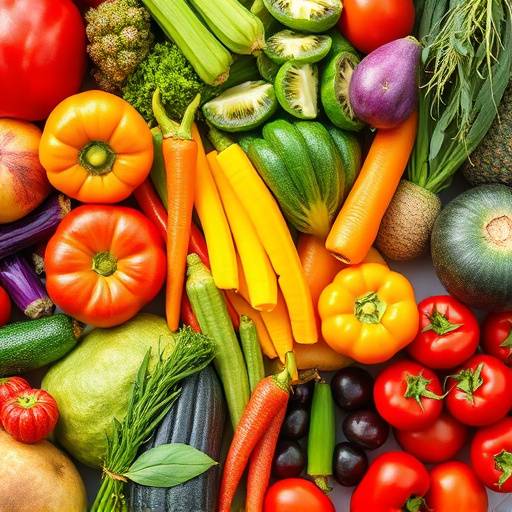
Understanding Macronutrients
Macronutrients are the essential building blocks of our diet, providing the energy and raw materials our bodies need to function optimally. These include carbohydrates, proteins, and fats.
- Carbohydrates: The primary source of energy for the body, carbohydrates are broken down into glucose. Choose complex carbohydrates like whole grains, fruits, and vegetables over simple sugars for sustained energy and fiber intake.
- Proteins: Crucial for building and repairing tissues, proteins are composed of amino acids. Include lean sources of protein such as chicken, fish, beans, lentils, and tofu in your diet.
- Fats: Essential for hormone production, cell function, and absorption of fat-soluble vitamins. Opt for healthy fats like those found in avocados, nuts, seeds, and olive oil, while limiting saturated and trans fats.

The Importance of Micronutrients
Micronutrients, including vitamins and minerals, are vital for various bodily functions, even though they are needed in smaller amounts compared to macronutrients.
- Vitamins: Organic compounds that play key roles in metabolism, immune function, and cell growth. A balanced diet rich in fruits, vegetables, and fortified foods typically provides adequate vitamin intake.
- Minerals: Inorganic substances essential for bone health, nerve function, and fluid balance. Important minerals include calcium, iron, potassium, and zinc.
Supplementation may be necessary for individuals with specific dietary restrictions or health conditions. Consult with a healthcare professional or registered dietitian before starting any supplement regimen.
Cultivating Healthy Eating Habits
Developing sustainable healthy eating habits is key to long-term wellness. Consider the following tips:
- Mindful Eating: Pay attention to your hunger and fullness cues. Eat slowly and savor each bite.
- Portion Control: Be mindful of portion sizes to avoid overeating. Use smaller plates and measure servings when necessary.
- Hydration: Drink plenty of water throughout the day. Aim for at least 8 glasses of water daily.
- Meal Planning: Plan your meals in advance to make healthier choices and avoid impulse decisions.
- Limit Processed Foods: Reduce your intake of processed foods, sugary drinks, and unhealthy fats. Focus on whole, unprocessed foods.
- Read Food Labels: Understand nutrition labels to make informed choices about the foods you consume. Pay attention to serving sizes, calories, macronutrients, and micronutrients.

Sample Meal Plans
Here are some sample meal plans to inspire your healthy eating journey. These plans can be adjusted to meet your individual needs and preferences.
Sample Meal Plan 1: Balanced Day
- Breakfast: Oatmeal with berries and nuts.
- Lunch: Grilled chicken salad with mixed greens, vegetables, and a light vinaigrette.
- Dinner: Baked salmon with roasted vegetables (broccoli, carrots, and sweet potatoes).
- Snacks: Apple slices with almond butter, Greek yogurt with fruit.
Sample Meal Plan 2: Vegetarian Focus
- Breakfast: Smoothie with spinach, banana, protein powder, and almond milk.
- Lunch: Lentil soup with a whole-grain bread roll.
- Dinner: Tofu stir-fry with brown rice and mixed vegetables.
- Snacks: Handful of almonds, carrots with hummus.
Sample Meal Plan 3: High Protein
- Breakfast: Scrambled eggs with spinach and whole-wheat toast.
- Lunch: Turkey breast wrap with lettuce, tomato, and avocado.
- Dinner: Lean ground beef with quinoa and steamed green beans.
- Snacks: Cottage cheese with pineapple, protein shake.
Remember to adjust portion sizes to meet your individual caloric needs and consult with a registered dietitian for personalized meal planning.
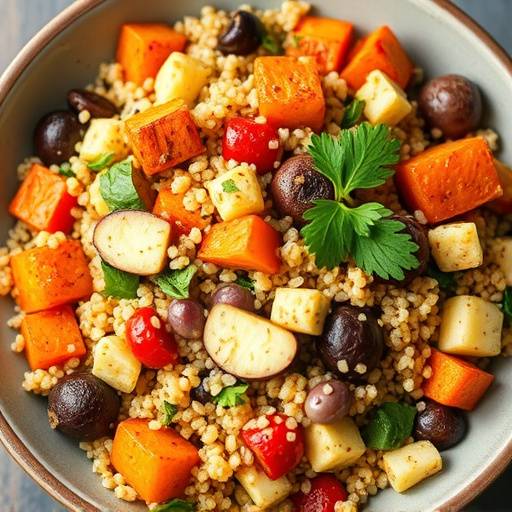
Quinoa Salad with Roasted Vegetables
A nutritious and delicious salad packed with protein and fiber.
Ingredients:
- 1 cup quinoa
- 2 cups water
- 1 bell pepper (any color), chopped
- 1 zucchini, chopped
- 1 red onion, chopped
- 1 cup cherry tomatoes, halved
- 2 tablespoons olive oil
- Salt and pepper to taste
- Lemon juice to taste
- Fresh parsley, chopped
Instructions:
- Rinse the quinoa thoroughly.
- Combine quinoa and water in a saucepan. Bring to a boil, then reduce heat and simmer for 15 minutes, or until water is absorbed.
- Preheat oven to 400°F (200°C).
- Toss bell pepper, zucchini, and red onion with olive oil, salt, and pepper.
- Roast vegetables for 20-25 minutes, or until tender.
- Combine cooked quinoa, roasted vegetables, cherry tomatoes, lemon juice, and parsley in a bowl.
- Mix well and serve.
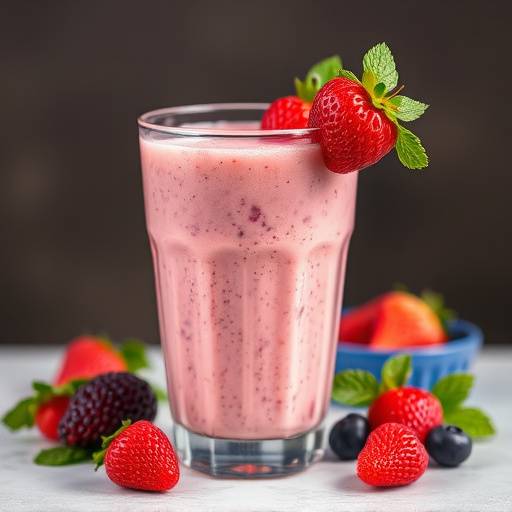
Berry Smoothie
A quick and easy smoothie perfect for breakfast or a snack.
Ingredients:
- 1 cup mixed berries (fresh or frozen)
- 1/2 banana
- 1/2 cup Greek yogurt
- 1/2 cup milk (dairy or non-dairy)
- 1 tablespoon chia seeds (optional)
Instructions:
- Combine all ingredients in a blender.
- Blend until smooth.
- Pour into a glass and enjoy immediately.
Nutritional Needs Across the Lifespan
Nutritional requirements vary significantly across different life stages. Infants, children, adolescents, adults, and seniors each have unique dietary needs to support growth, development, and overall health.
Infancy and Childhood
Breast milk or formula provides complete nutrition for infants during the first six months of life. As they grow, introduce solid foods gradually, ensuring a balanced intake of fruits, vegetables, grains, and protein sources. Childhood is a crucial period for bone development, so adequate calcium and vitamin D are essential.
Adolescence
Adolescents experience rapid growth and development, requiring increased energy and nutrient intake. Iron, calcium, and protein are particularly important to support muscle growth, bone density, and hormonal changes. Encourage healthy eating habits to prevent nutrient deficiencies and promote long-term health.
Adulthood
Adults need a balanced diet to maintain energy levels, support immune function, and prevent chronic diseases. Focus on consuming whole, unprocessed foods, limiting saturated fats, and managing portion sizes. Regular exercise is also crucial for maintaining a healthy weight and overall well-being.
Senior Years
Seniors may experience decreased appetite, reduced nutrient absorption, and increased risk of age-related diseases. Emphasize nutrient-dense foods, adequate hydration, and supplementation if necessary. Vitamin B12, vitamin D, and calcium are particularly important for maintaining bone health, cognitive function, and energy levels. Consult with a healthcare professional to address any specific nutritional concerns.

The Role of Hydration in Nutrition
While often overlooked, proper hydration is a critical component of good nutrition. Water is essential for nearly every bodily function, including nutrient transport, waste removal, temperature regulation, and joint lubrication. Dehydration can lead to fatigue, headaches, digestive problems, and impaired cognitive function.
The recommended daily water intake varies depending on factors such as age, activity level, climate, and overall health. As a general guideline, aim for at least 8 glasses (64 ounces) of water per day. You can also increase your fluid intake by consuming hydrating foods such as fruits, vegetables, and soups.
Limit your intake of sugary drinks, such as soda and juice, as they can contribute to weight gain and other health problems. Instead, opt for water, unsweetened tea, or infused water with fruits and herbs. Pay attention to your body's signals of thirst and drink water throughout the day to maintain optimal hydration.