The Importance of Sleep

Sleep is a fundamental pillar of health, as crucial as nutrition and exercise. While we sleep, our bodies and minds undergo essential restorative processes. Lack of sleep can lead to a host of negative consequences, including decreased cognitive function, weakened immune system, increased risk of chronic diseases, and mood disturbances. Getting enough quality sleep is not a luxury; it's a necessity for overall well-being. At Vitality Hub, we understand the importance of sleep and are dedicated to providing you with the knowledge and tools to improve your sleep habits and unlock the power of restful nights.
Numerous studies have demonstrated the profound impact of sleep on various aspects of health. For instance, chronic sleep deprivation has been linked to an increased risk of heart disease, diabetes, and obesity. Moreover, sleep plays a vital role in learning and memory consolidation. When we sleep, our brains process and store information gathered throughout the day, making sleep essential for academic and professional success. By prioritizing sleep, you are investing in your long-term health and cognitive performance.
Understanding Sleep Cycles
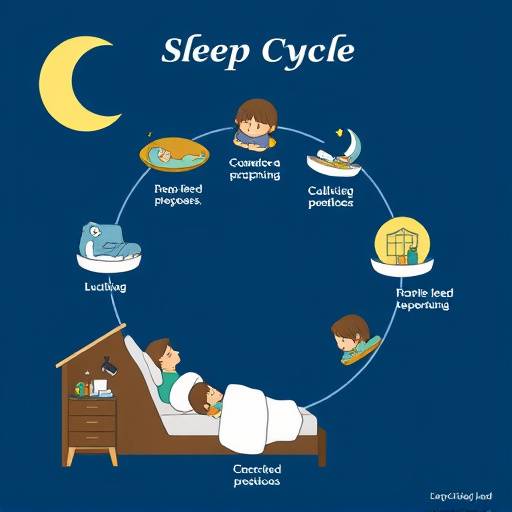
Sleep is not a uniform state; it progresses through distinct cycles, each characterized by specific brainwave patterns and physiological changes. A complete sleep cycle typically lasts about 90 to 120 minutes and consists of several stages: NREM (Non-Rapid Eye Movement) stages 1, 2, 3, and REM (Rapid Eye Movement) sleep. Each stage plays a unique role in the restorative process.
- NREM Stage 1: This is the transition stage between wakefulness and sleep. It's a light sleep where you may be easily awakened.
- NREM Stage 2: In this stage, your heart rate slows, and your body temperature drops. Brainwave activity becomes slower with occasional bursts of activity called sleep spindles.
- NREM Stage 3: This is the deepest stage of sleep, also known as slow-wave sleep. It's the most restorative stage, where your body repairs tissues, builds bone and muscle, and strengthens the immune system.
- REM Sleep: During REM sleep, your brain activity increases, resembling that of wakefulness. Your eyes move rapidly behind closed eyelids, and you experience vivid dreams. REM sleep is crucial for cognitive functions, such as memory consolidation and emotional processing.
Understanding the different sleep stages can help you appreciate the complexity of sleep and the importance of allowing your body to cycle through these stages uninterrupted for optimal rest and rejuvenation. Factors like age, lifestyle, and health conditions can affect the duration and quality of each sleep stage.
Sleep Hygiene: Creating the Perfect Sleep Environment

Sleep hygiene refers to a set of practices and habits that promote healthy sleep. By implementing good sleep hygiene practices, you can create a conducive environment for restful and restorative sleep. Here are some key elements of good sleep hygiene:
- Maintain a Consistent Sleep Schedule: Go to bed and wake up at the same time every day, even on weekends. This helps regulate your body's natural sleep-wake cycle, also known as the circadian rhythm.
- Create a Relaxing Bedtime Routine: Engage in calming activities before bed, such as reading a book, taking a warm bath, or listening to soothing music. Avoid stimulating activities like watching television or using electronic devices.
- Optimize Your Sleep Environment: Make sure your bedroom is dark, quiet, and cool. Use blackout curtains, earplugs, or a white noise machine to minimize distractions. Set the thermostat to a comfortable temperature, typically between 60 and 67 degrees Fahrenheit.
- Limit Caffeine and Alcohol Consumption: Avoid caffeine and alcohol close to bedtime, as they can interfere with sleep. Caffeine is a stimulant that can keep you awake, while alcohol can disrupt sleep later in the night.
- Get Regular Exercise: Regular physical activity can promote better sleep. However, avoid exercising too close to bedtime, as it can be stimulating.
- Avoid Large Meals Before Bed: Eating a large meal close to bedtime can interfere with sleep. If you're hungry, opt for a light snack.
- Optimize Exposure to Natural Light: Sunlight helps regulate your circadian rhythm. Try to get some exposure to natural light during the day, especially in the morning.
Implementing these sleep hygiene practices can significantly improve the quality and duration of your sleep. Remember that consistency is key. It may take some time for your body to adjust to a new sleep schedule, so be patient and persistent.
Overcoming Sleep Problems

Sleep problems are common, affecting millions of people worldwide. Insomnia, characterized by difficulty falling asleep, staying asleep, or both, is one of the most prevalent sleep disorders. Other sleep problems include sleep apnea, restless legs syndrome, and narcolepsy. If you are struggling with sleep problems, there are several strategies you can try:
- Cognitive Behavioral Therapy for Insomnia (CBT-I): CBT-I is a type of therapy that helps you identify and change thoughts and behaviors that contribute to insomnia. It's a highly effective treatment for chronic insomnia.
- Medication: In some cases, medication may be necessary to treat sleep problems. However, it's important to consult with a doctor to determine if medication is appropriate for you.
- Relaxation Techniques: Techniques such as meditation, yoga, and deep breathing can help reduce stress and promote relaxation, making it easier to fall asleep.
- Address Underlying Medical Conditions: Some medical conditions, such as chronic pain, anxiety, and depression, can interfere with sleep. Treating these underlying conditions can often improve sleep.
- Rule Out Sleep Disorders: If you suspect you may have a sleep disorder, such as sleep apnea or restless legs syndrome, consult with a doctor or sleep specialist for diagnosis and treatment.
It's important to remember that sleep problems can be complex and may require a multi-faceted approach to treatment. If you are struggling with sleep problems, don't hesitate to seek professional help. At Vitality Hub, we encourage you to take charge of your sleep health and seek guidance from qualified healthcare professionals when needed.
The Power of Naps

Napping can be a valuable tool for improving alertness, boosting cognitive performance, and enhancing overall well-being. However, it's important to nap strategically to avoid interfering with nighttime sleep. Here are some tips for maximizing the benefits of naps:
- Keep Naps Short: Aim for naps that are 20-30 minutes long. This duration allows you to reap the benefits of increased alertness without entering deep sleep stages that can lead to grogginess upon waking.
- Nap at the Right Time: The best time to nap is typically in the early afternoon, when you experience a natural dip in energy levels. Avoid napping too late in the day, as it can interfere with nighttime sleep.
- Create a Conducive Environment: Find a quiet, dark, and comfortable place to nap. Use an eye mask or earplugs to minimize distractions.
- Avoid Napping if You Have Insomnia: If you struggle with insomnia, napping may worsen your sleep problems. Focus on improving your sleep hygiene and addressing any underlying sleep disorders.
When used strategically, naps can be a powerful tool for enhancing performance and promoting well-being. However, it's crucial to listen to your body and adjust your napping habits accordingly. If you find that napping consistently interferes with your nighttime sleep, it may be best to avoid them.
Expert Advice from Dr. Anya Sharma
"Sleep is not just about the quantity of hours you get, but also the quality. Prioritizing sleep hygiene and addressing any underlying sleep disorders are crucial for achieving restful and restorative sleep. Remember, sleep is an investment in your overall health and well-being." - Dr. Anya Sharma, Sleep Specialist at Vitality Hub
Dr. Sharma is a renowned sleep specialist with over 15 years of experience helping individuals overcome sleep problems and improve their overall sleep health. She is a strong advocate for the importance of sleep hygiene and personalized sleep solutions. At Vitality Hub, Dr. Sharma provides expert guidance and support to help you unlock the power of restful sleep.